TOTR / Source-cited exhibit CAT. 072

A fixed symbolic set · numbered minor planets 1—72

The 72
Celestial Virgins

A luminous catalog of names, referents, and evidence lanes at the beginning of the minor-planet sequence.

Read this as an illuminated index, not a claim that the heavens certify a theology. The title is a symbolic frame; the entries keep their historical limits.

72fixed
set
1454658A numbered neighborhood
before interpretation
72numbered objects
4explicit virgin referents
0inferences from a female name alone
2026frozen taxonomy edition
I / The reading lane

A title can open a door.
Evidence decides what is inside.

“Celestial virgins” is the exhibit’s theological and symbolic frame. It gathers a fixed sequence of named bodies for attentive reading, but it does not turn every feminine name into a virgin figure.

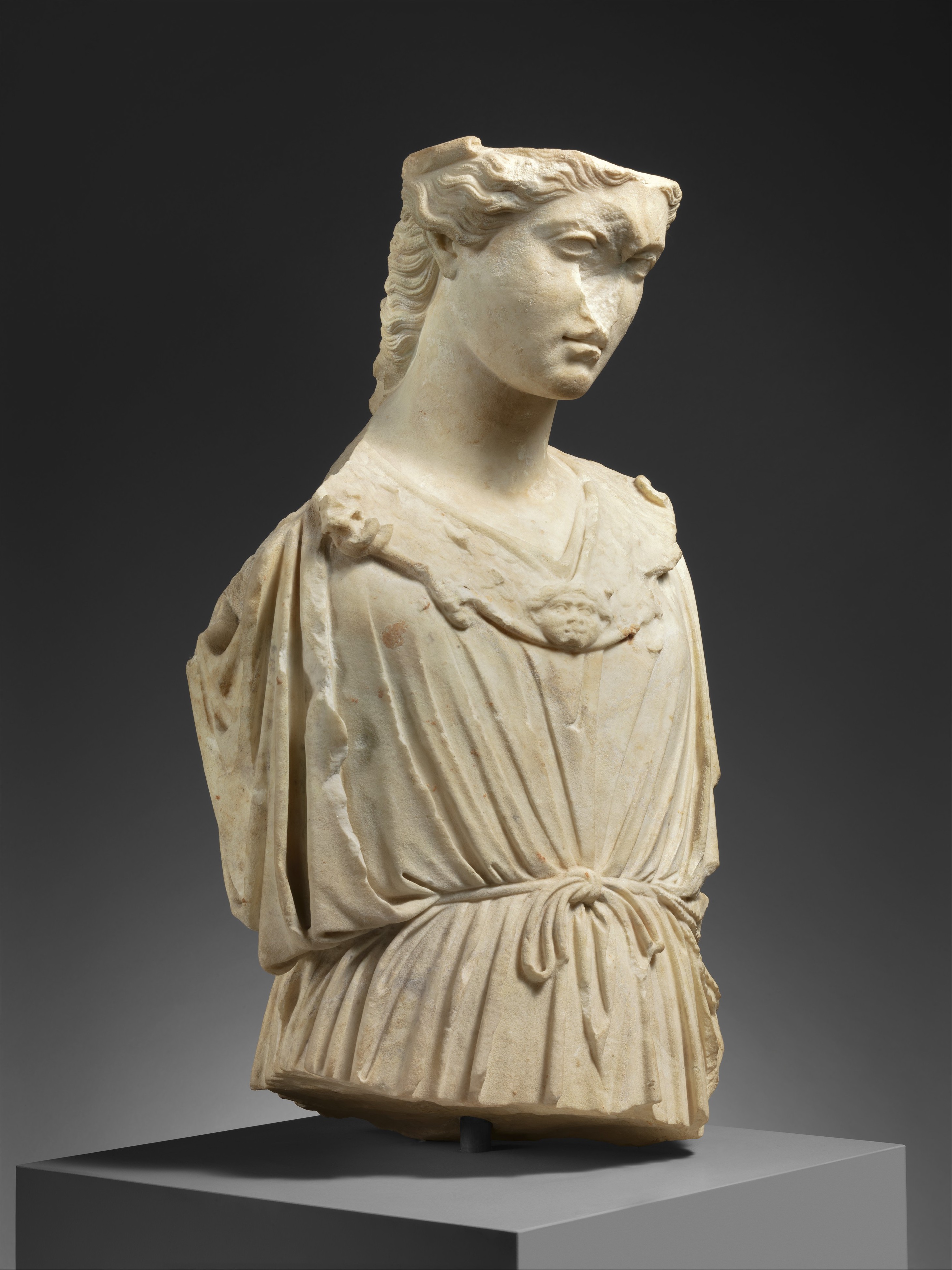
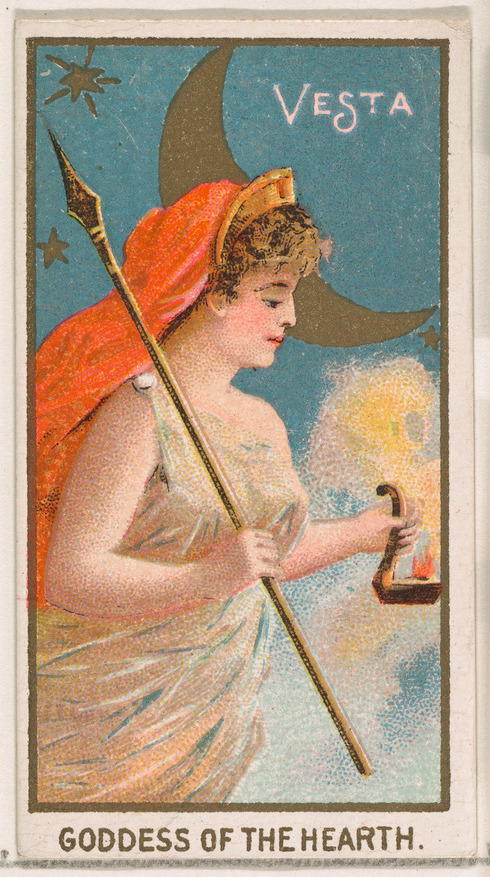
Within this set, only four referents are historically or mythologically explicit in the frozen taxonomy: Pallas, Vesta, Astraea, and Hestia. The remaining entries stay visible because a catalog is most trustworthy when it preserves uncertainty, counterevidence, places, abstractions, and names that do not bear the proposed label.

†Evidence-lane language
“Explicit” means the referent itself is conventionally described as virgin or maiden. “Unknown” means no reliable claim is assigned. “No” means the available referent points away from that classification.
II / Present state

The catalog is the key.
This is the reading.

Reference window closedcalendar-day classification · daily grid at 00:00 UTC, not live coordinates
Present finding

The September 20 reference day was classified inside the only interval in the sixty-one-year scan where the named Pallas–Concordia–Hestia pattern appears around Vesta.

This is a reproducible astronomical correspondence, not proof of theological causation. The broad and strict rules were frozen before the scan; the three-name label was identified afterward and is reported separately.

Named interval28 Apr 2026through24 Sep 2026150 daily samples · 0.67% of the baseline
Exact reference snapshot20 September 2026 · 16:36 UTCGeocentric apparent positions from JPL Horizons; angular separation from Vesta.
#2Pallas9.44°within 10°
#58Concordia9.94°within 10°
#46Hestia14.85°within 30°
Primary rule436 days

2025-07-16 — 2026-09-24

Primary + geometry + harmony345 days

2025-10-15 — 2026-09-24

Baseline exposure2.32%

517 of 22,280 days

Strict episodes3

across 1990–2050

How to read the recurrence result

Predeclared primary rule: at least one other explicit virgin referent within 10° of Vesta, at least two within 30°, and Hestia within 30°.

Geometry and secondary gates: at least two non-Vesta objects within 10°, at least three within 30°, and at least one harmony/order referent within 10°. Concordia satisfies the secondary lane in the reference snapshot.

Statistical boundary: the scan reports deterministic daily-grid episode counts and exposure fractions. Dates are temporally autocorrelated; no independent Bernoulli p-value is claimed, and a crossing shorter than one day can be missed.

Proposed ecliptic reading · exploratory snapshot

Above, below, and before judgment

The thesis is shown against every catalog object at one frozen instant. The virtue indicators are editorial readings of the published identity record, not source-authored verdicts or a preregistered classification. Signed ecliptic latitude supplies the north/south observation; it does not make latitude a moral measurement. Rhadamanthus is included because the proposed interpretation names him as the judgment reference, not because the astronomy independently selected him.

Thalia, not Hebrew Talia. Greek Thaleia carries blooming, flourishing, or rich-festivity associations. Hebrew Talia’s “dew from God” is comparative wordplay, not asteroid 23’s historical etymology. At this instant Thalia stands 14.581° south of the ecliptic and 122.71° from Rhadamanthus.
27north of ecliptic
41south of ecliptic
4within 0.25°
4 / 17 / 0affirmative editorial indicators · north / south / on
21 Sep 2026 · 16:27 UTC · geocentric observer ecliptic coordinates from NASA/JPL Horizons. Rhadamanthus: 6.199° south.
Live celestial neighborhood finder

Select a body. Set a UTC instant. Inventory what is nearby.

This queries geocentric astrometric ICRF positions from NASA/JPL Horizons and ranks the selected inventory by angular separation. Porrima and Spica are included as fixed-star catalog references.

Selected civil date2026-10-01Hebrew calendar — UTC civil-date equivalent: 20 Tishri 5787
Suggested centers
III / How the set holds

Selection is simple.
Method is not.

The catalog begins with an externally checkable boundary: the first 72 numbered minor planets, inclusive. No object is added because its name is evocative; no object is removed because its referent complicates the frame.

  1. 01
    Freeze the sequence

    Numbers 1 through 72, in numerical order, are the complete selection rule.

  2. 02
    Identify the referent

    Each name is classified as mythological, person, place, or concept.

  3. 03
    Separate evidence lanes

    Virginity, semantic flags, and direct counterparts are recorded independently.

  4. 04
    Cite the passage

    Every entry carries the Minor Planet Center record and a contextual source.

IV / The illuminated ledger

The first seventy-two

Search the names, then narrow by referent, evidence lane, or semantic association.

72of 72
showing
Showing 72 catalog entries
V / Boundaries and correspondences

The edge of the claim
is part of the record.

The set contains mythic women, male and gender-unknown referents, cities, and abstractions. That heterogeneity is not a flaw to smooth away. It is the evidence.

Semantic flags describe documented attributes or central identities; they are not secret keys. A body associated with war, sexuality, death, or order remains that referent in its own tradition. It does not become a “virgin” through proximity to the frame.

“No female name or epithet is treated as evidence of virginity.”Frozen taxonomy · field definition
Pallas · Vesta · Astraea · Hestiathe four explicit referents
4entries with a direct counterpart also inside the set
7entries tagged harmony / order

Source-cited catalog · frozen taxonomy v1.0 · scope: numbered minor planets 1 through 72, inclusive.